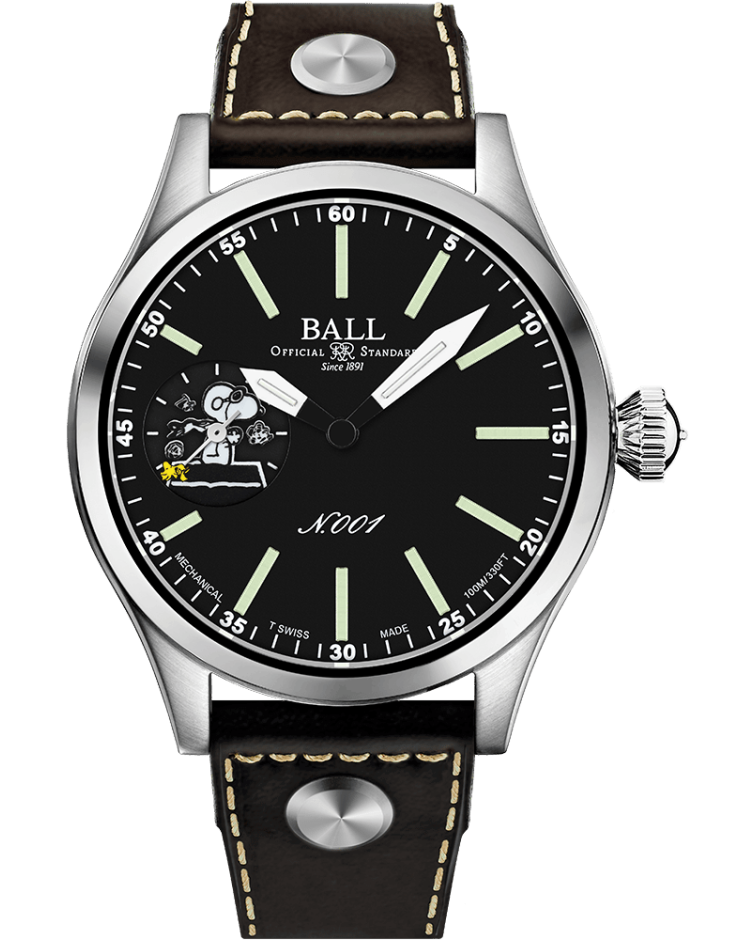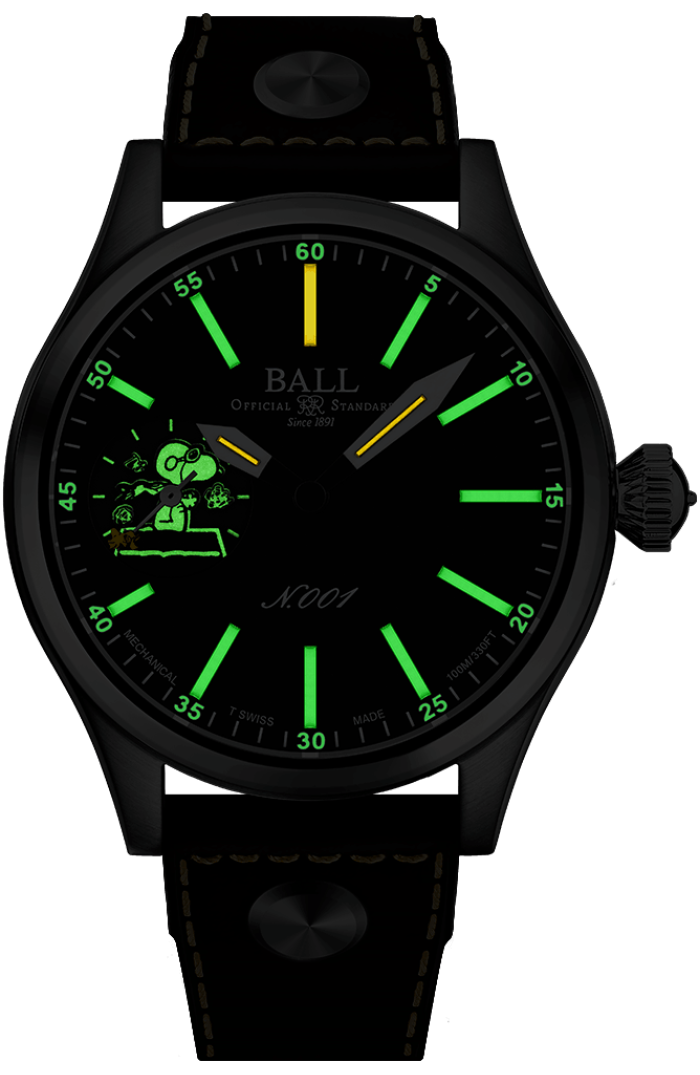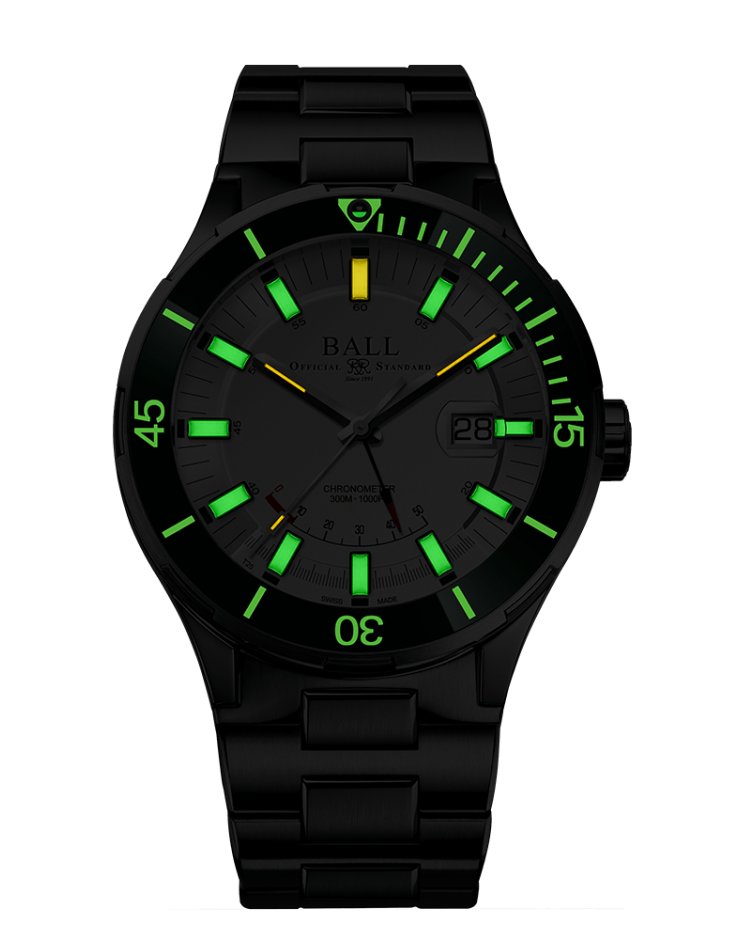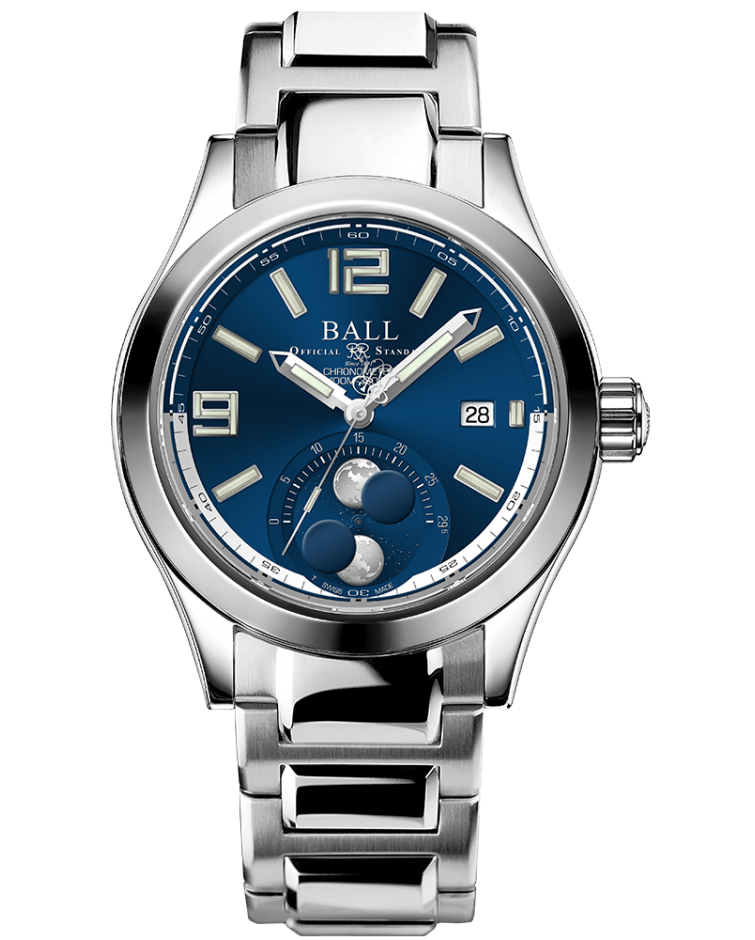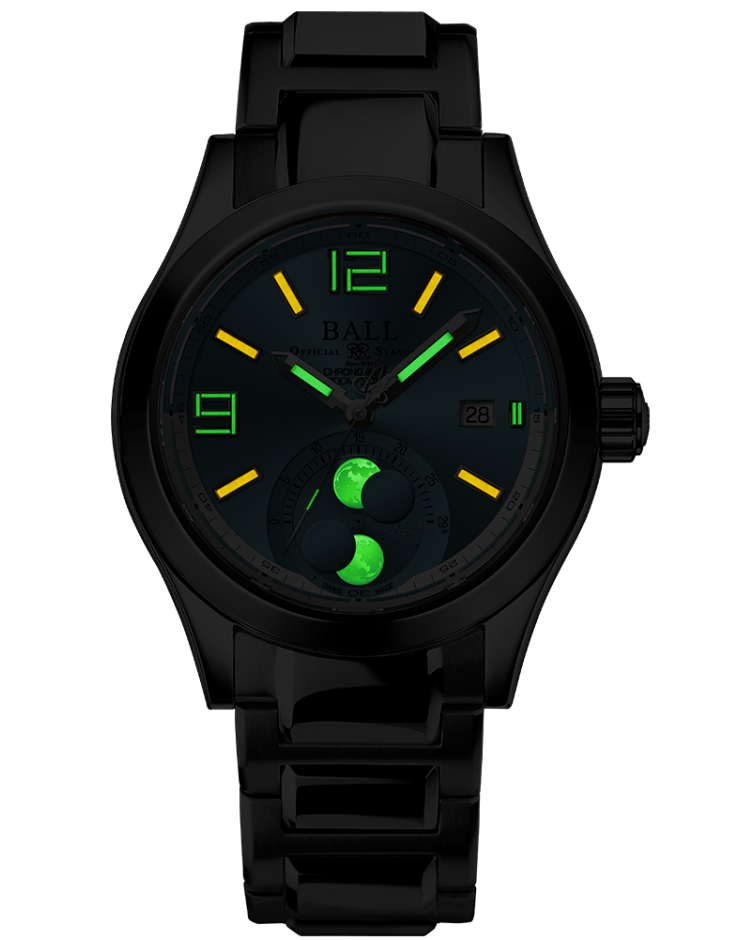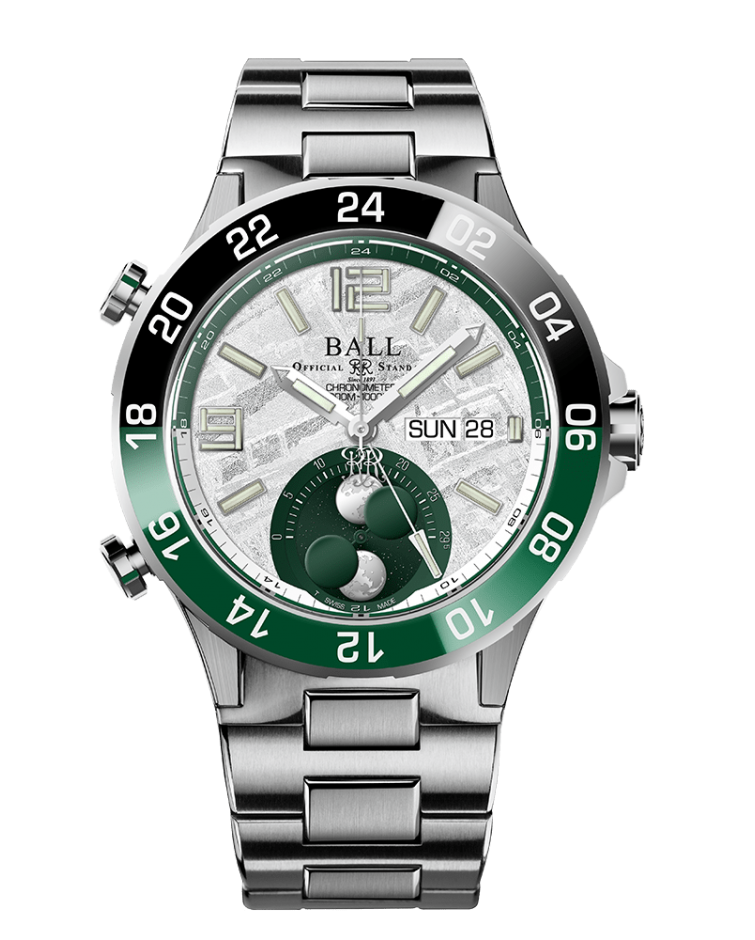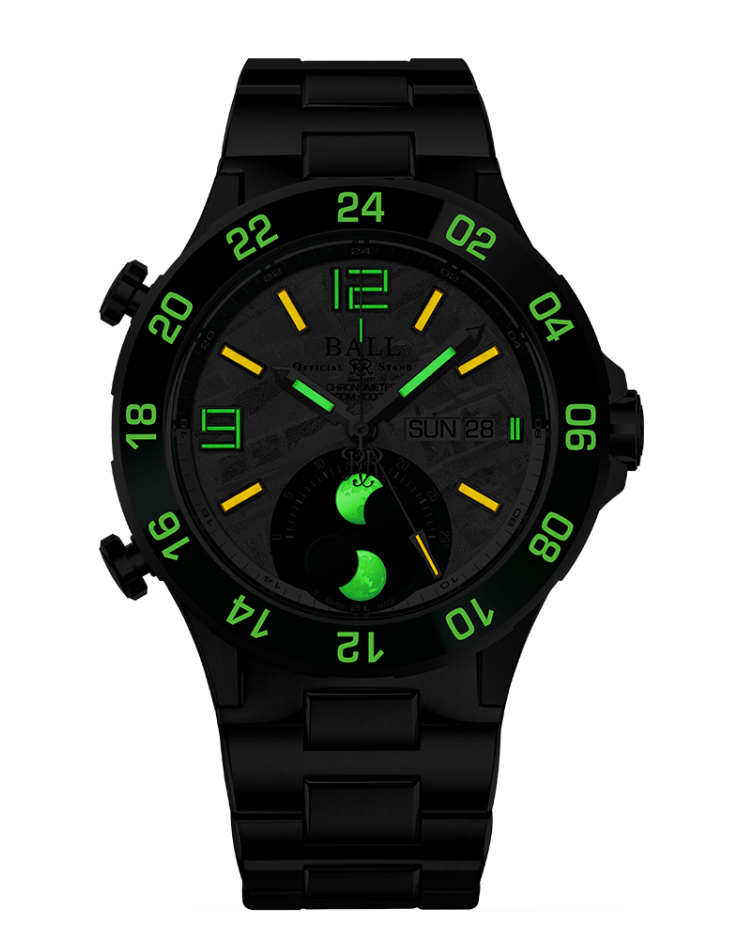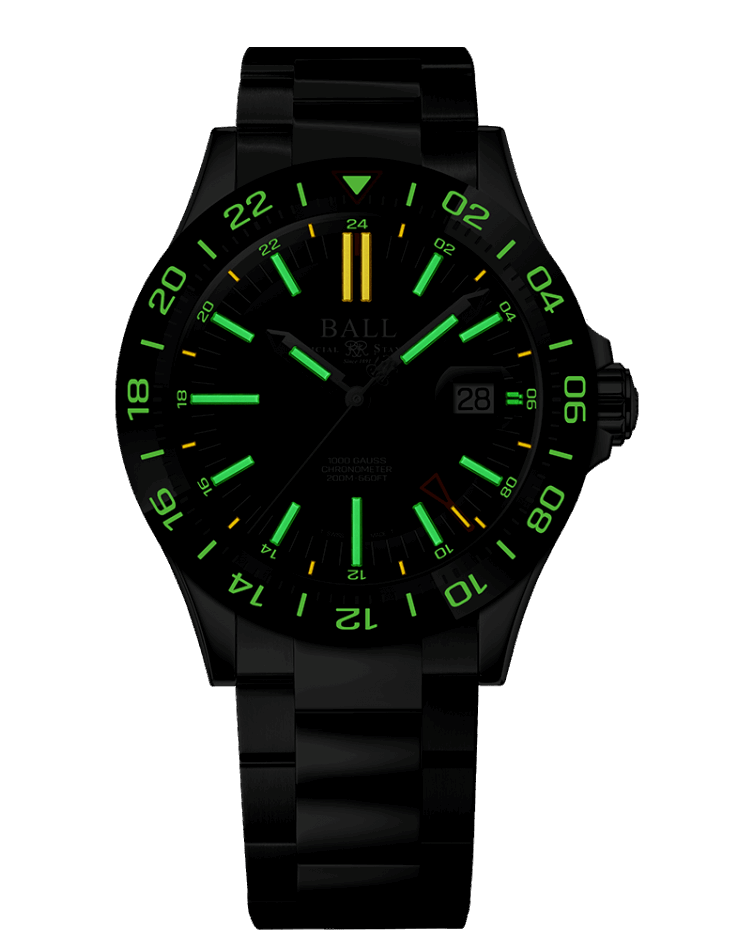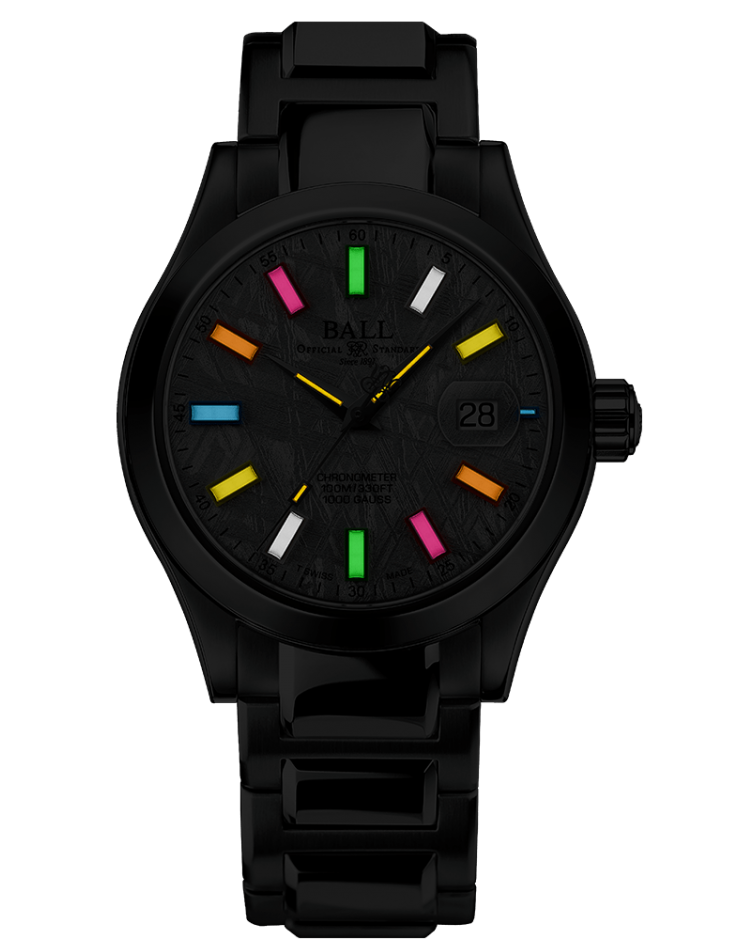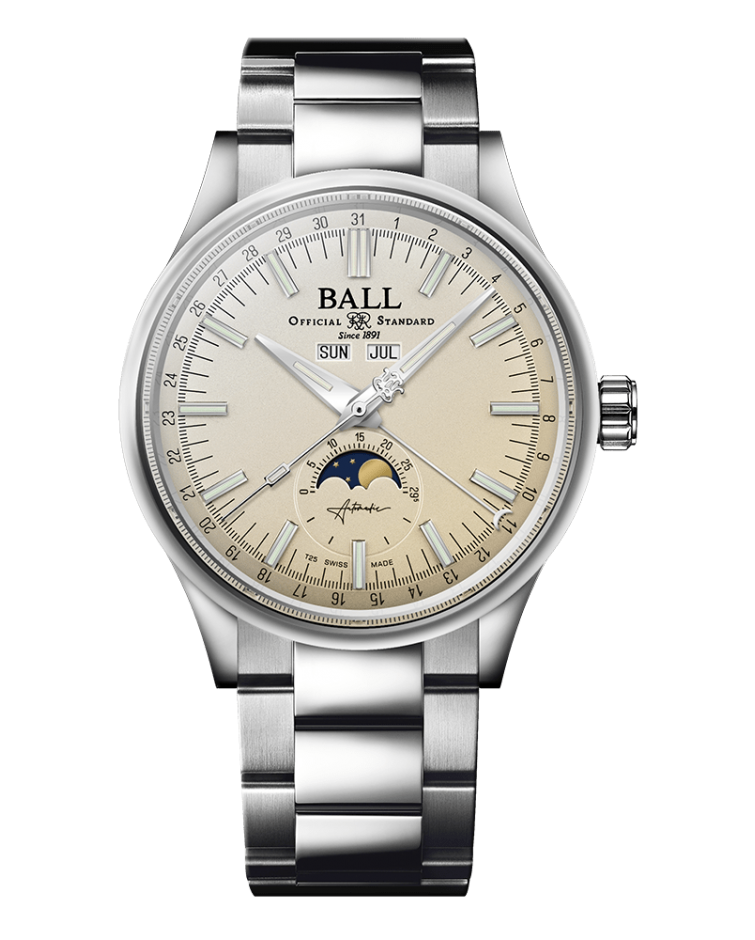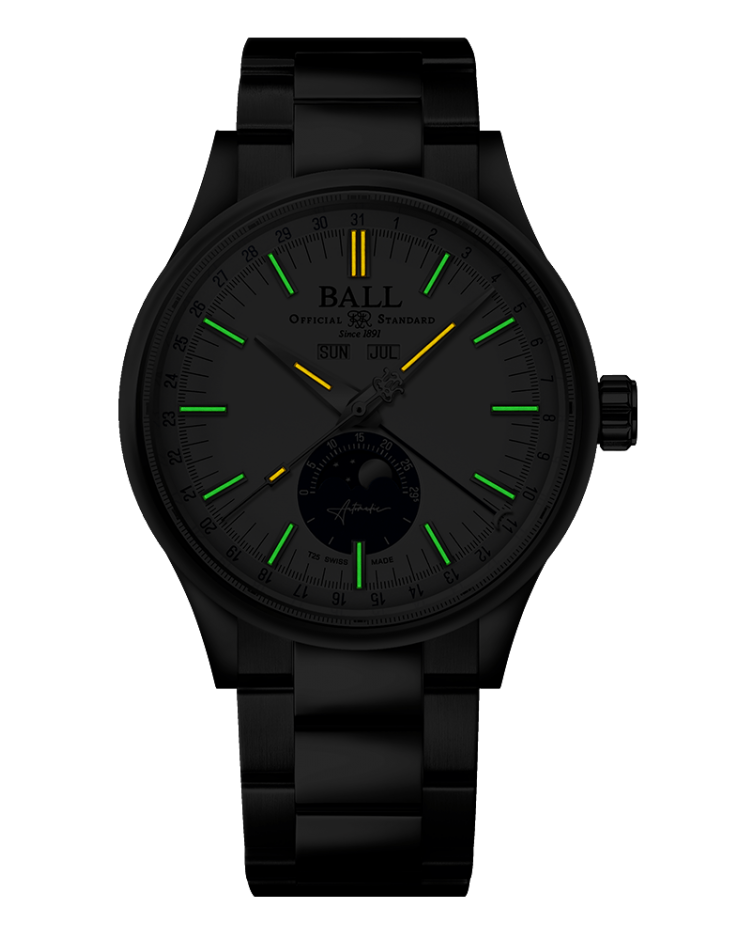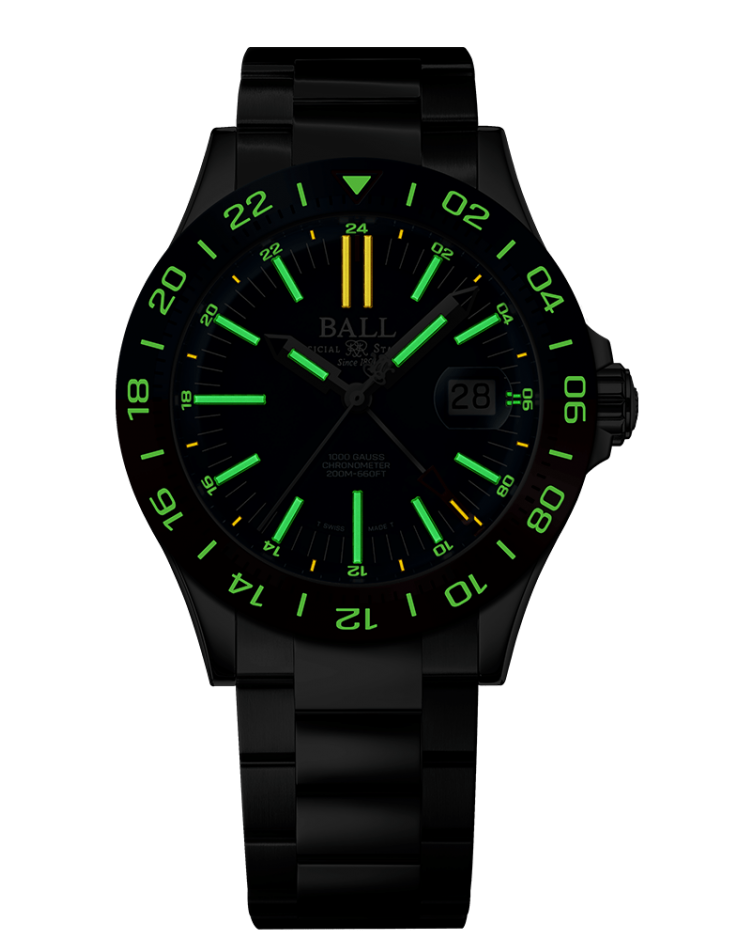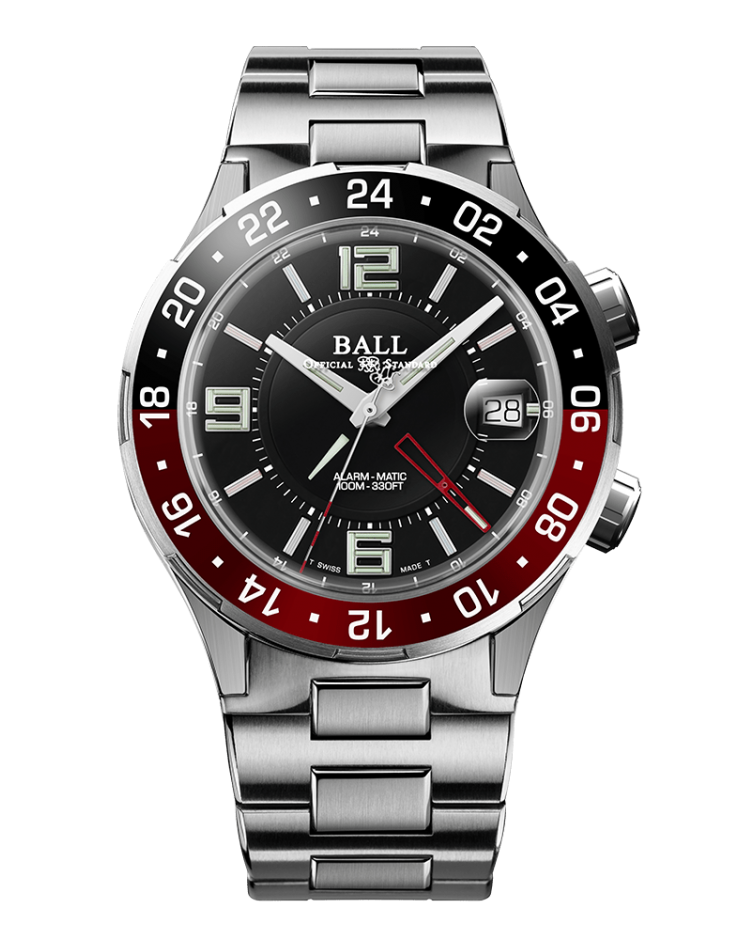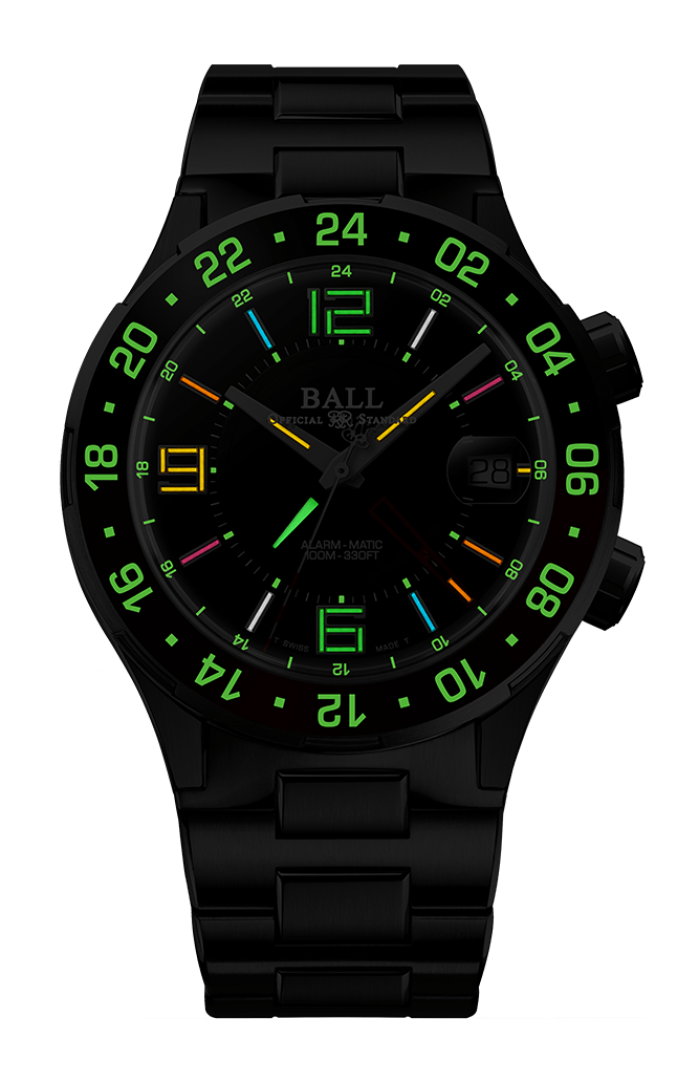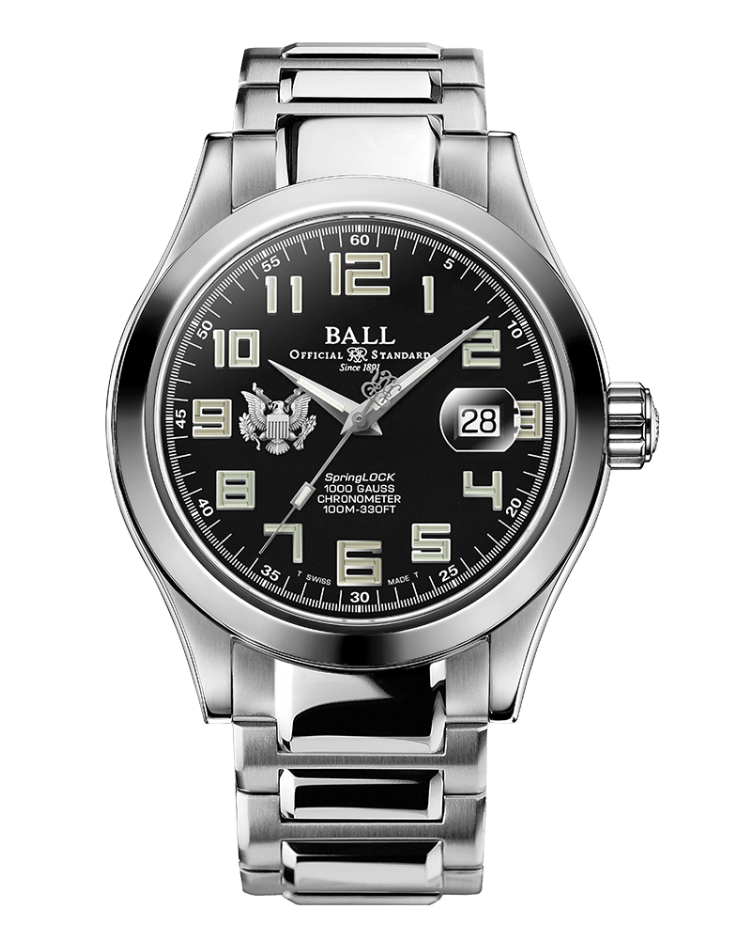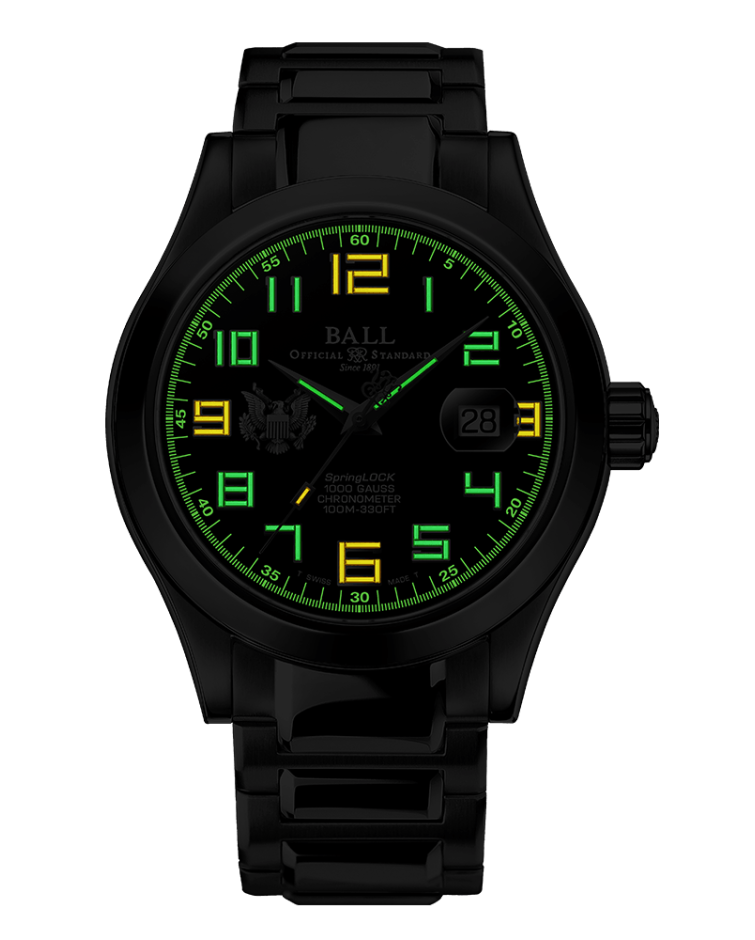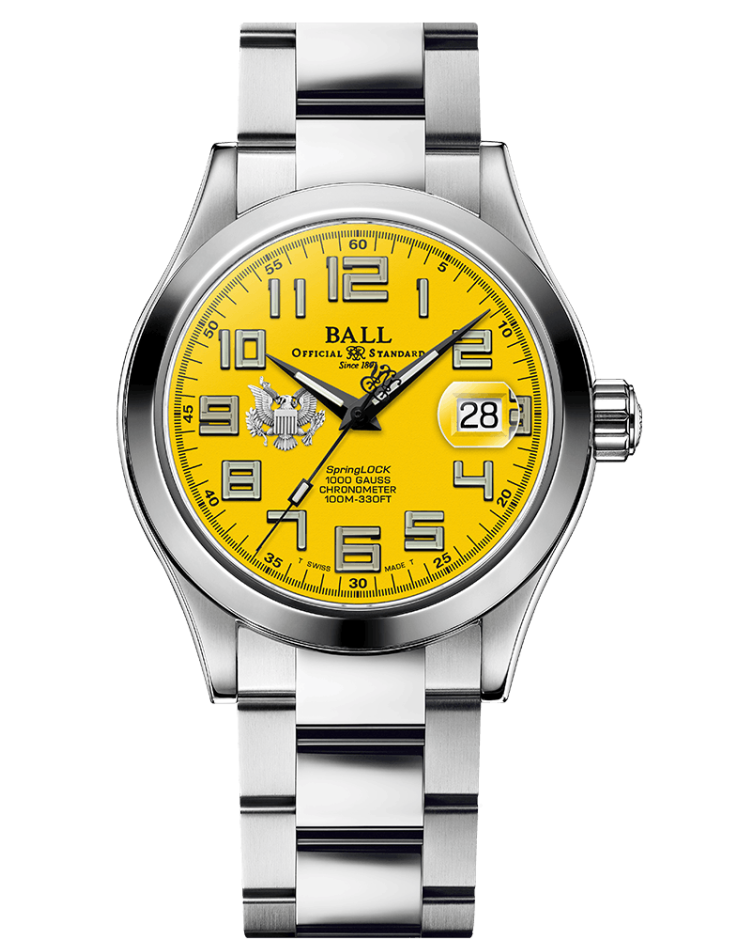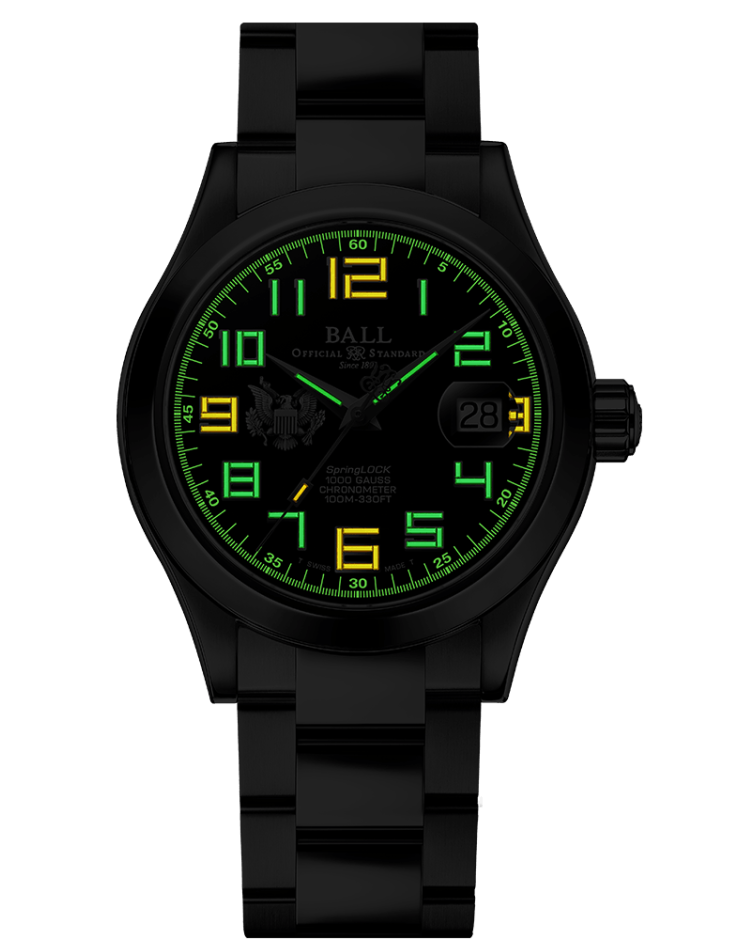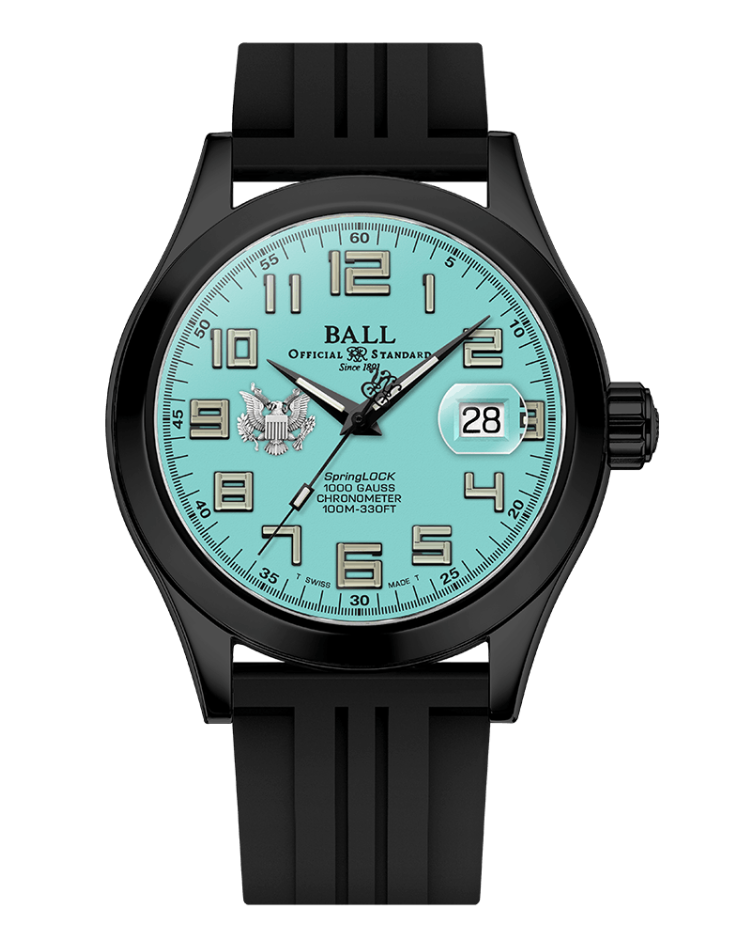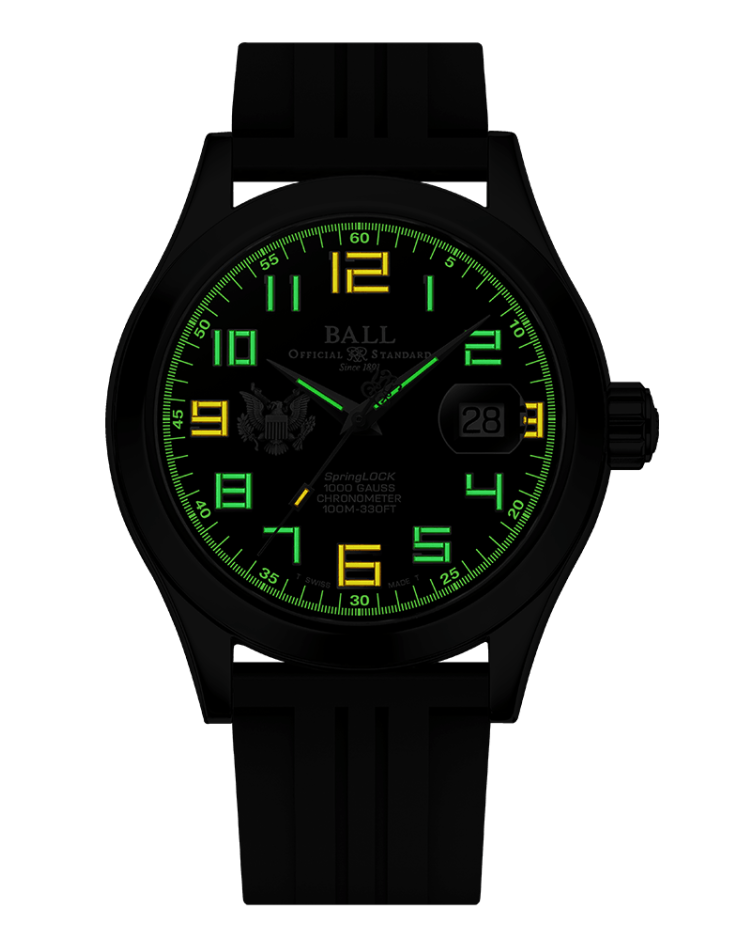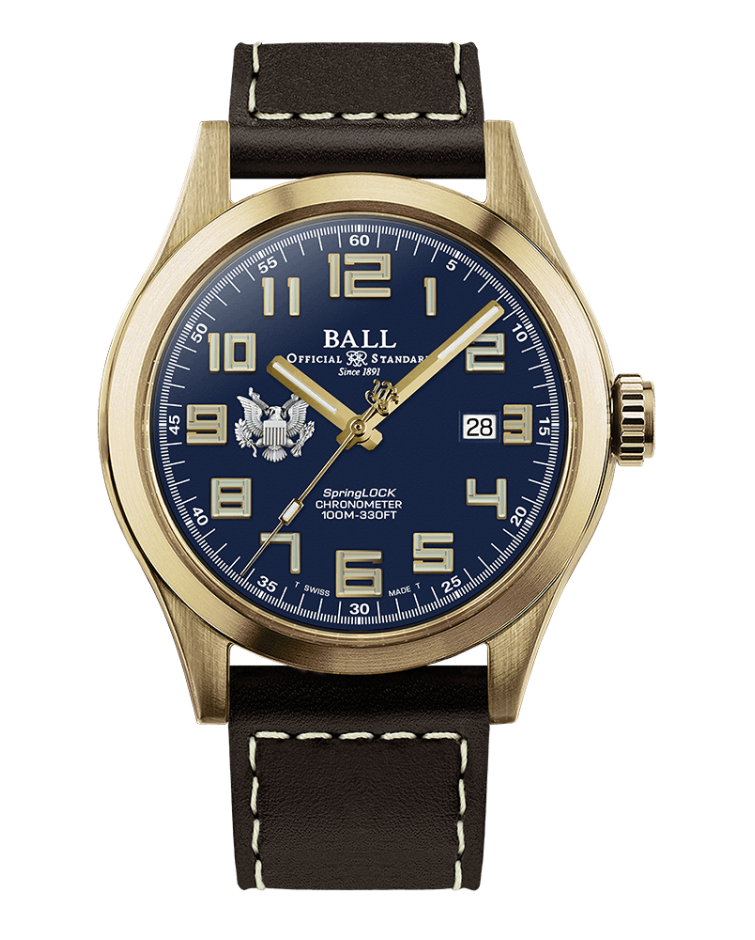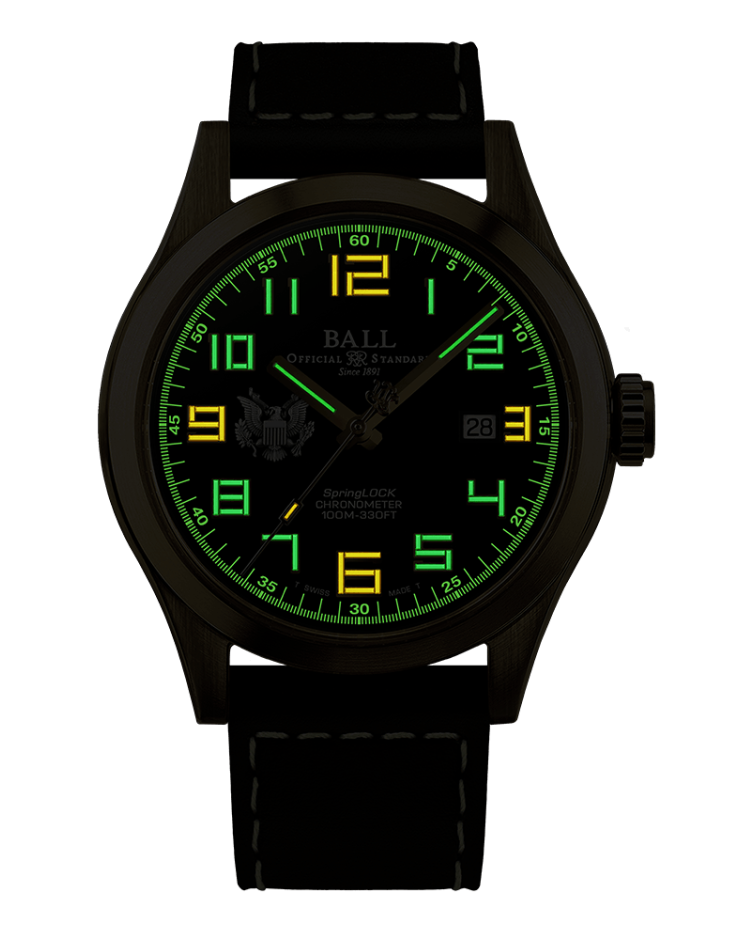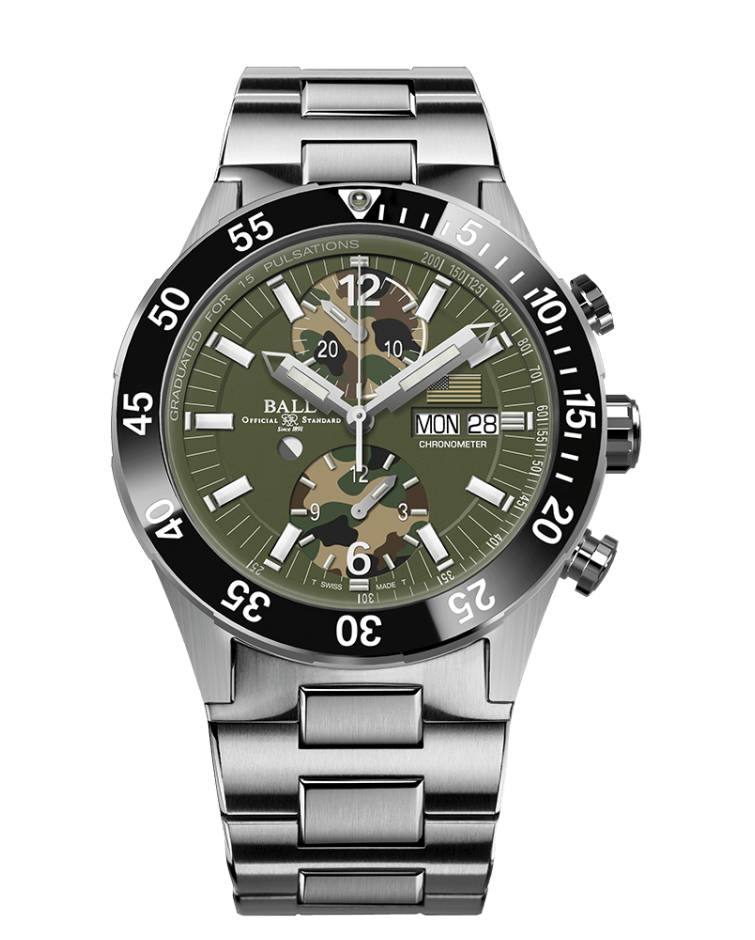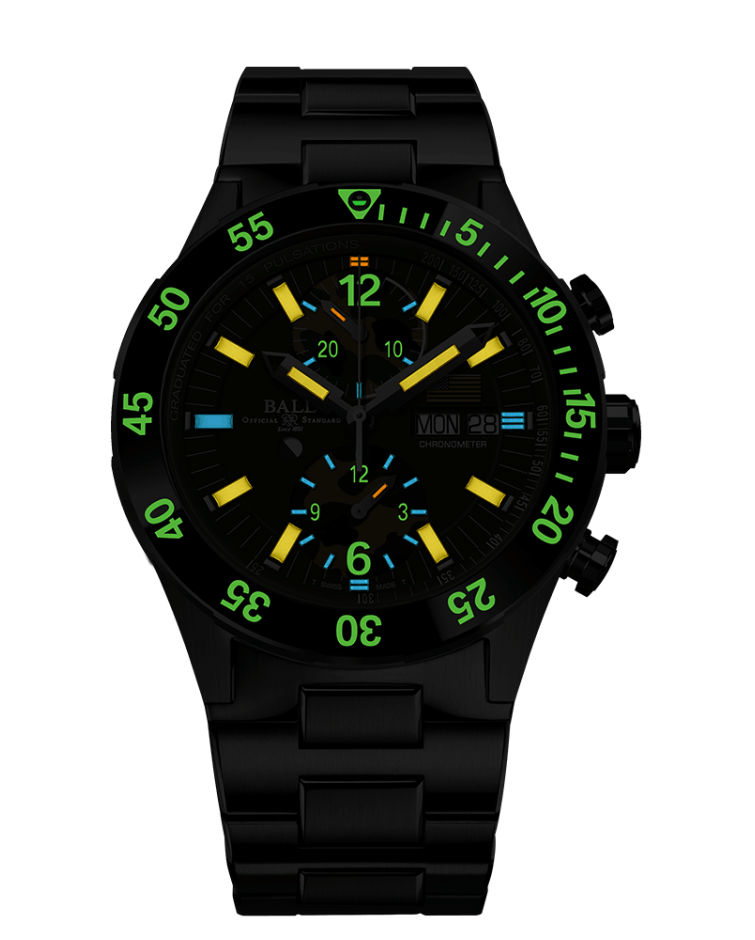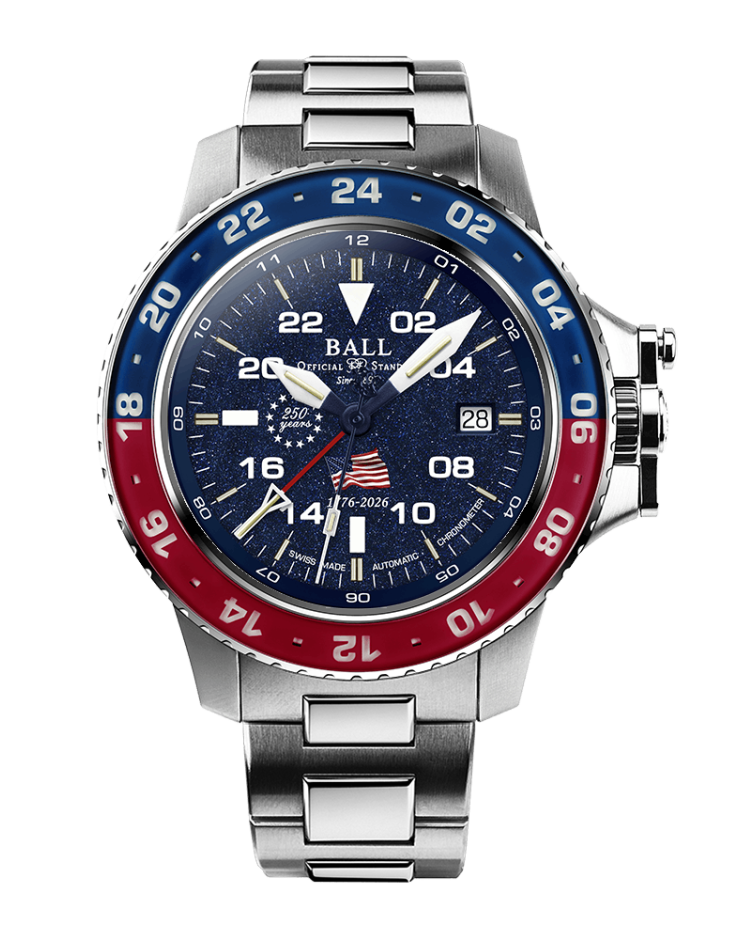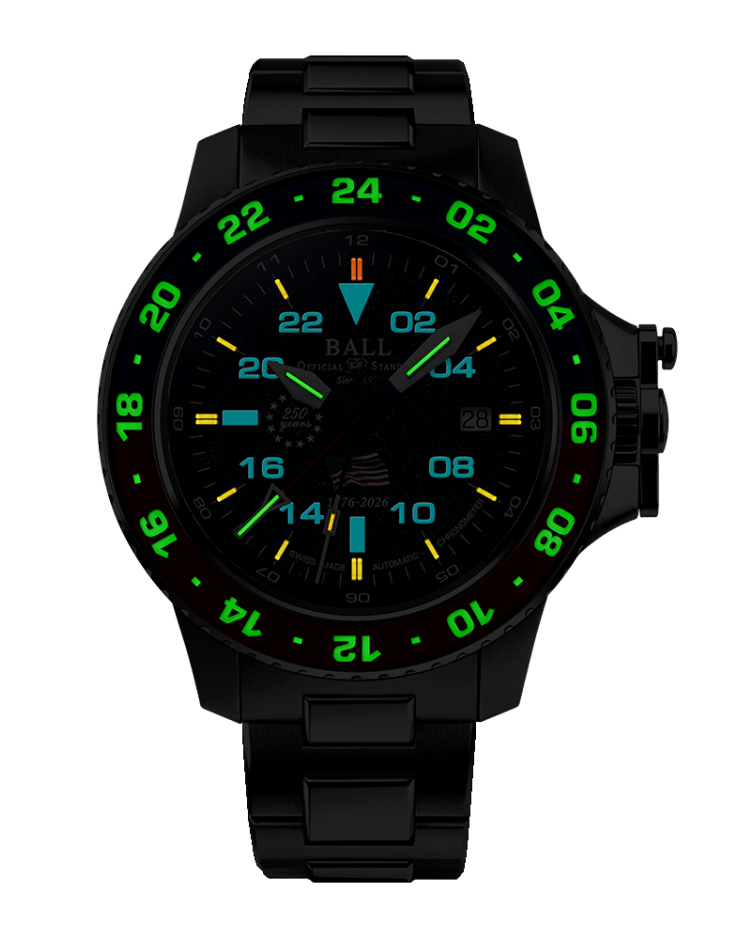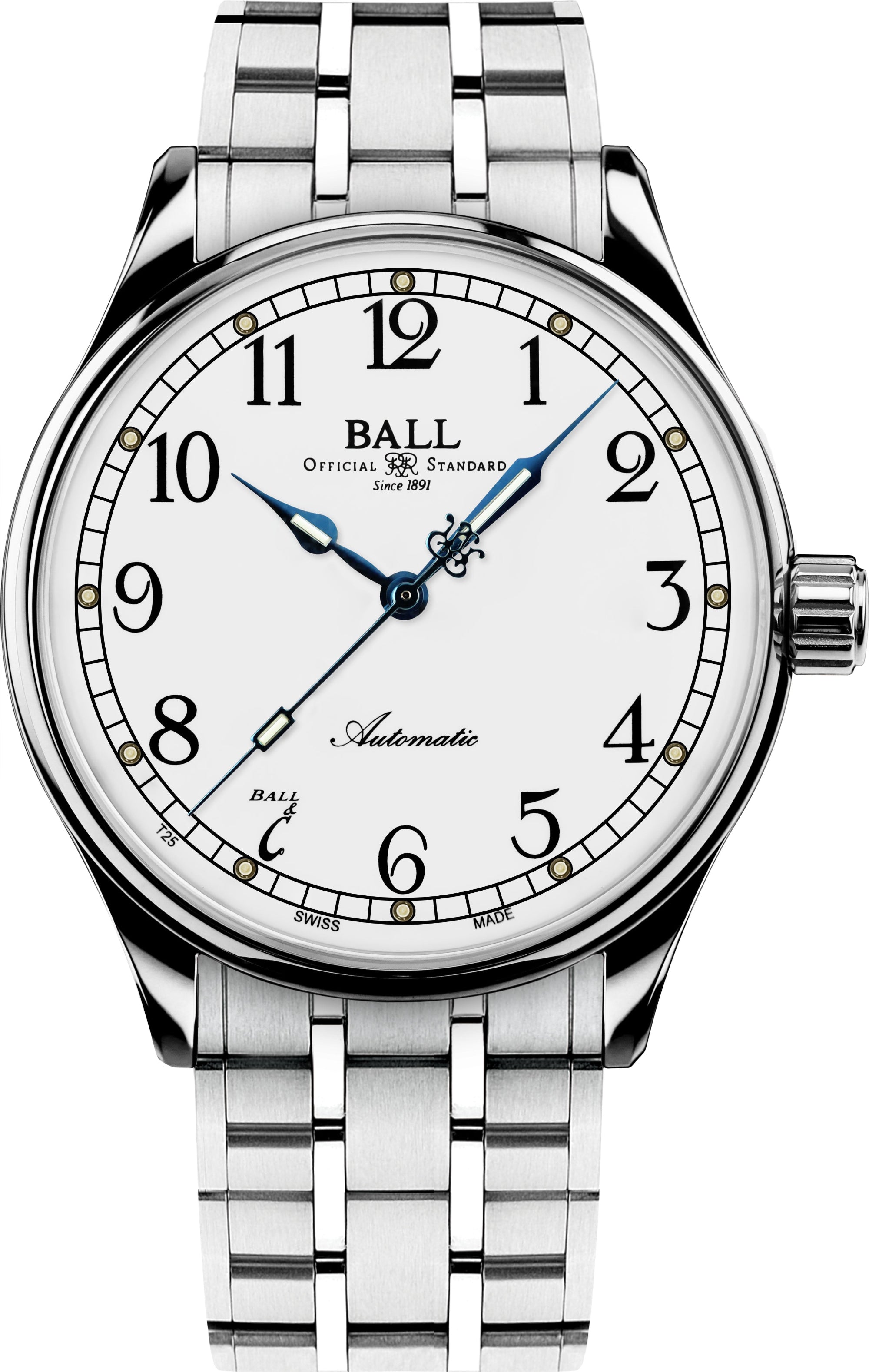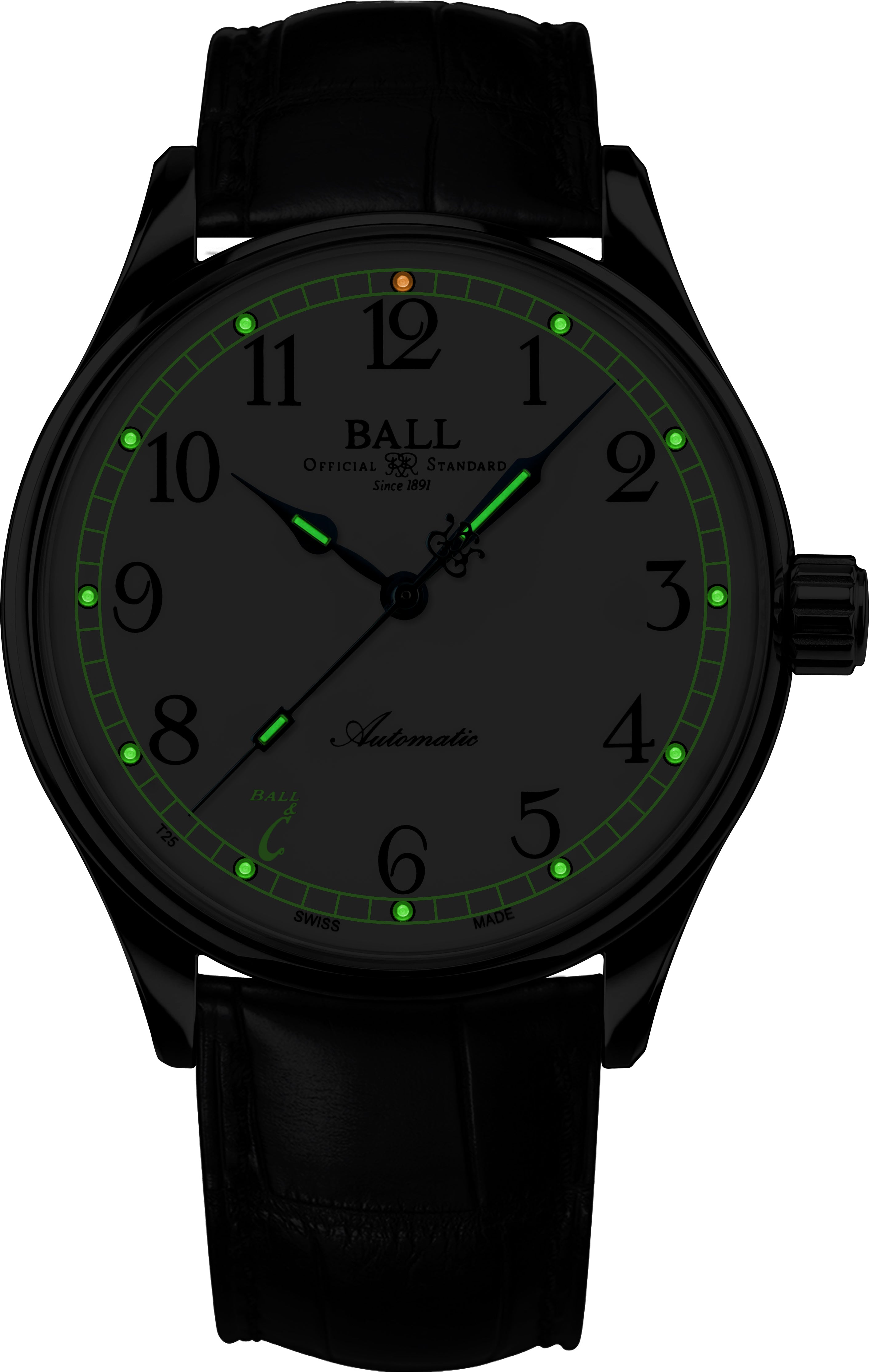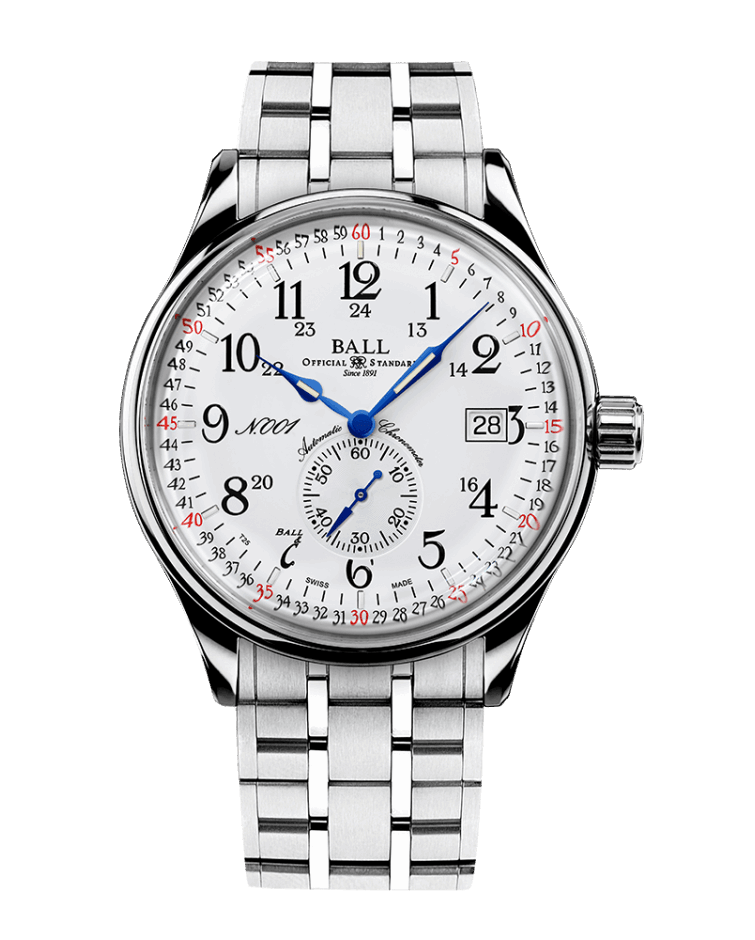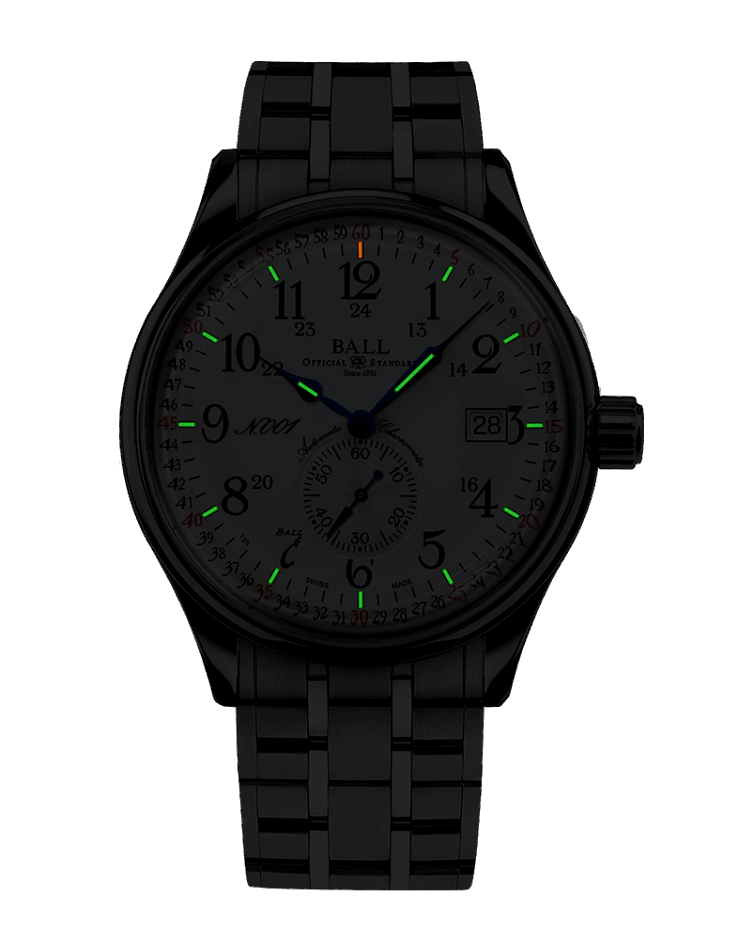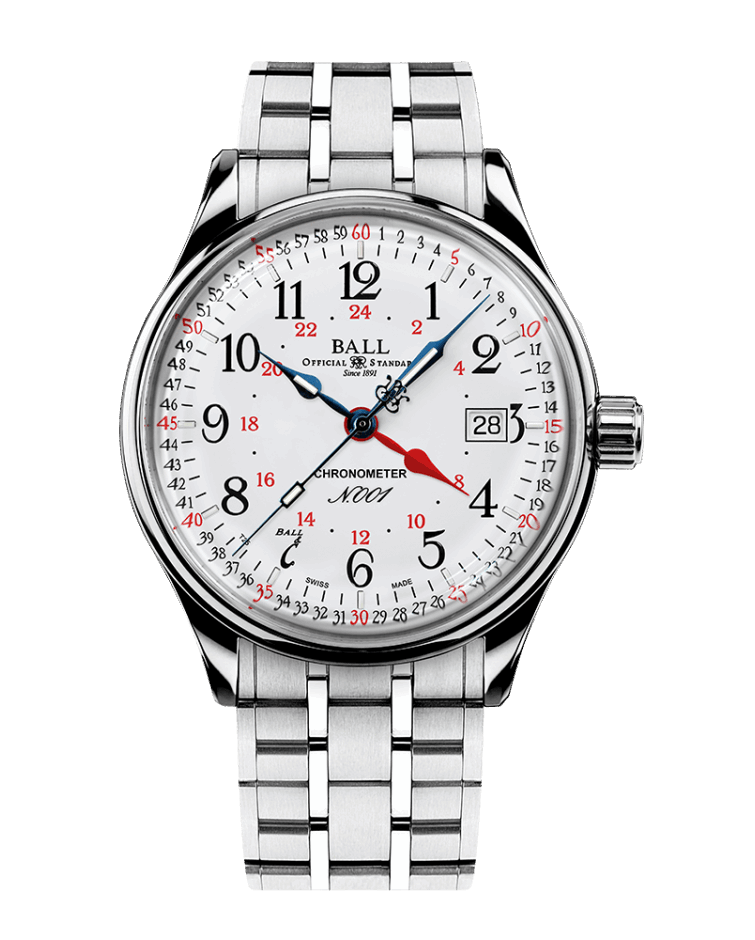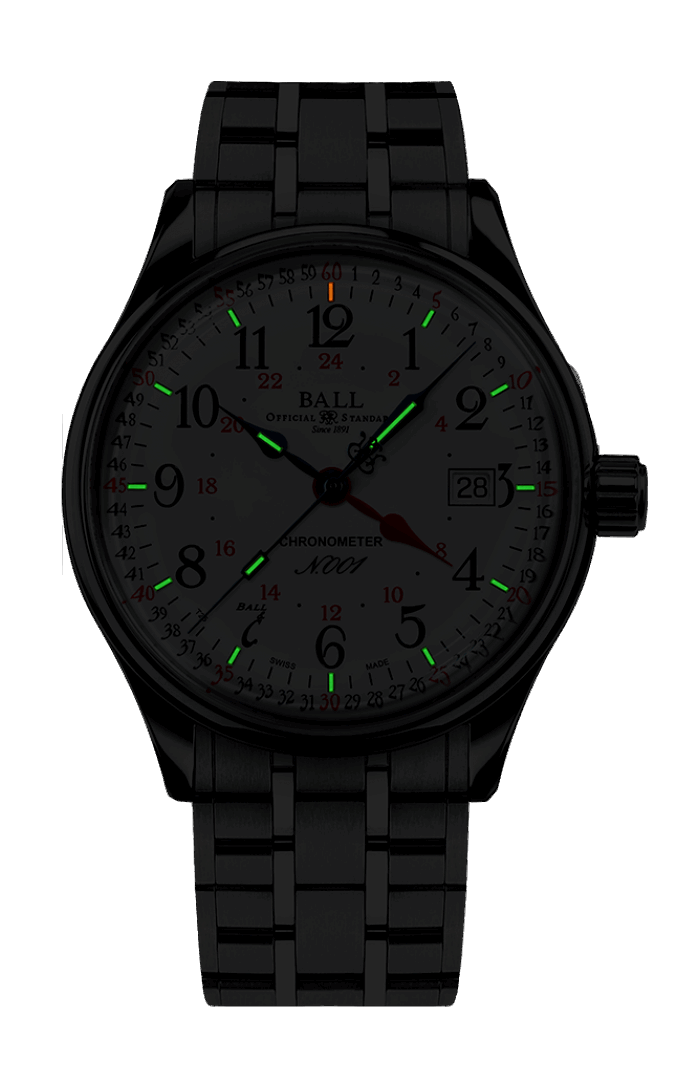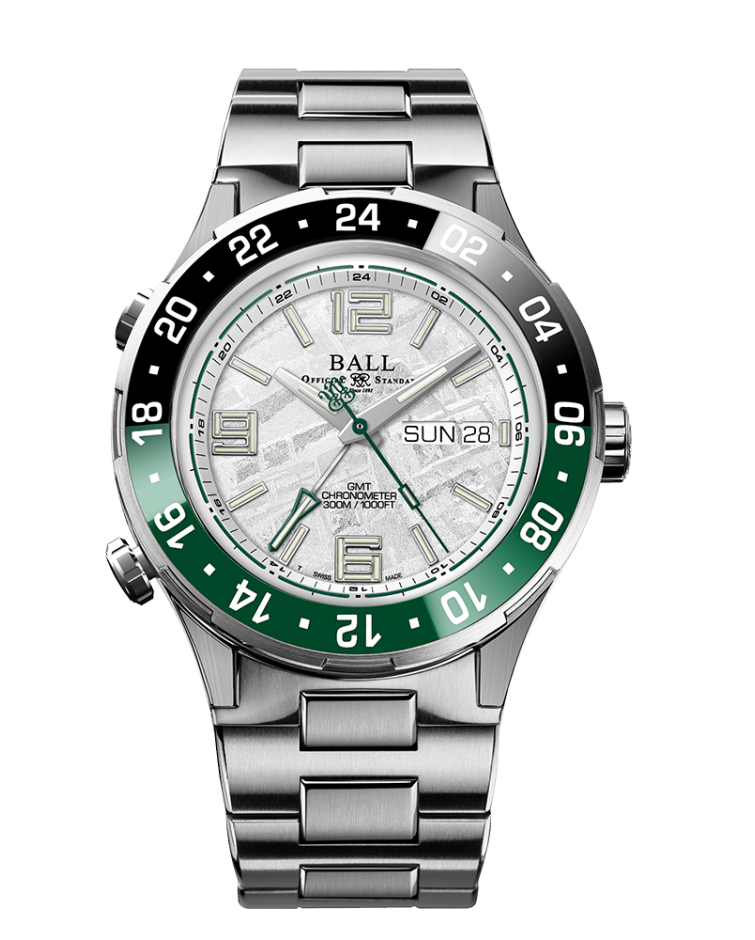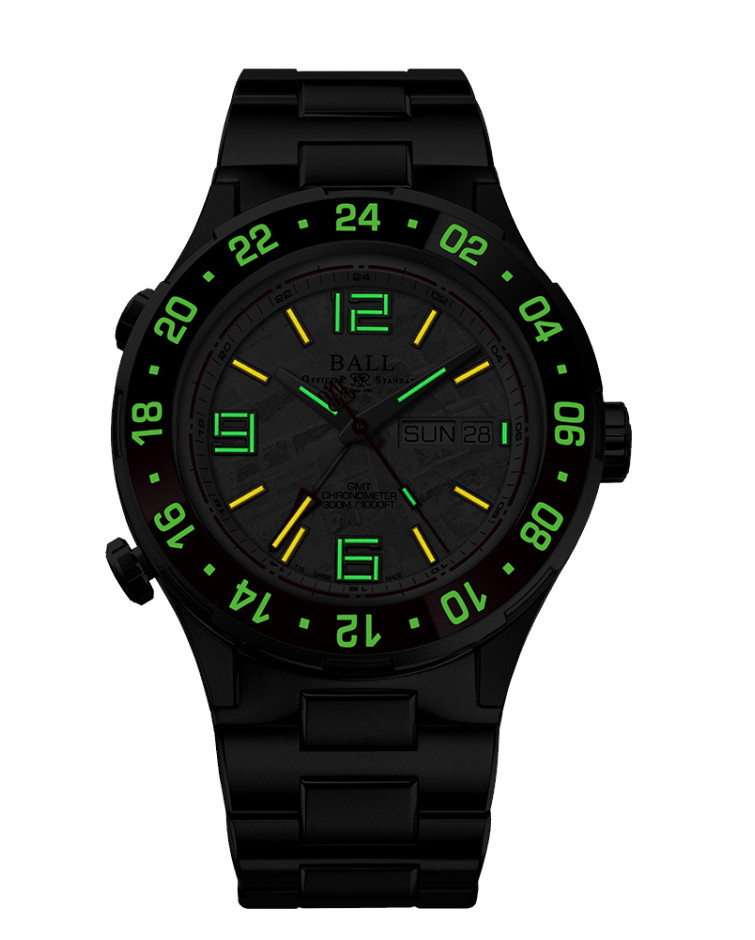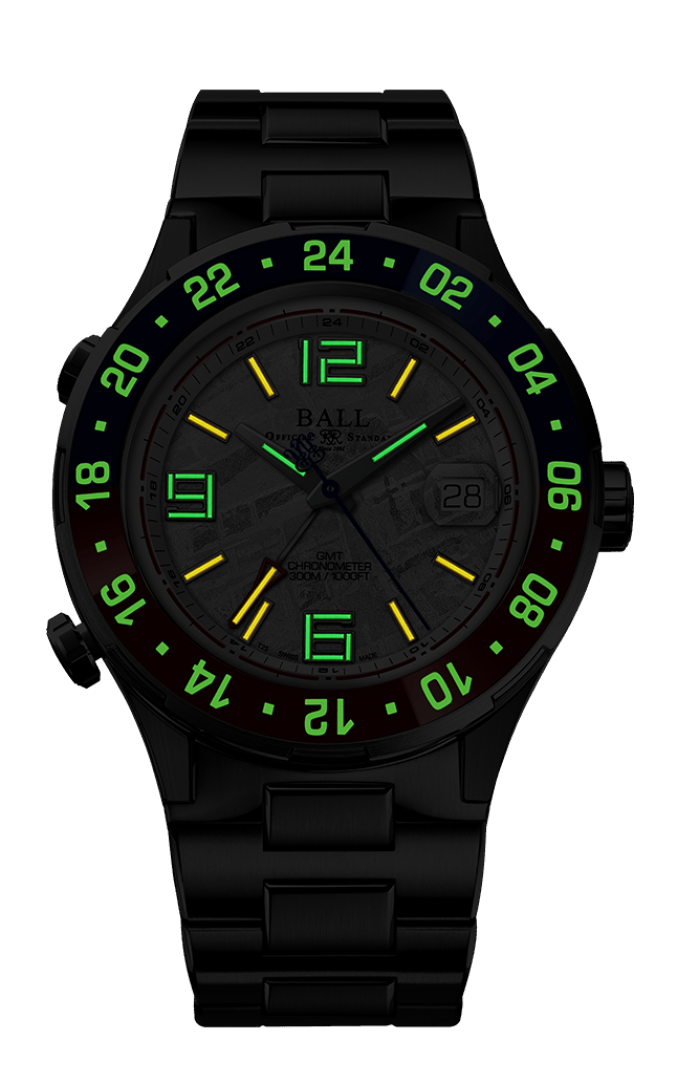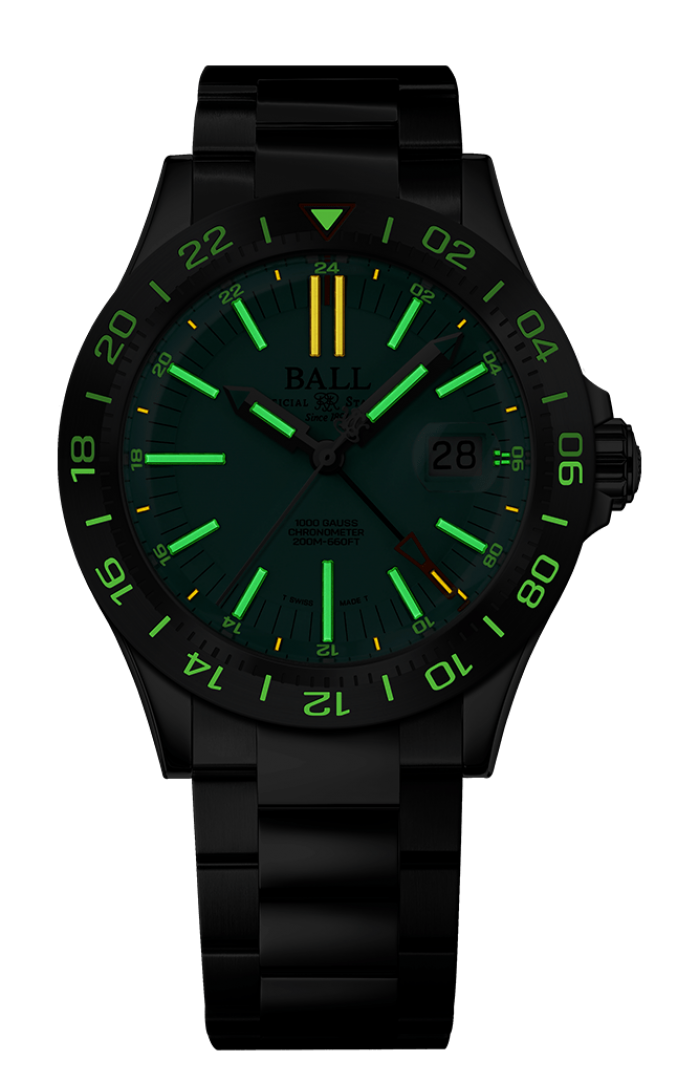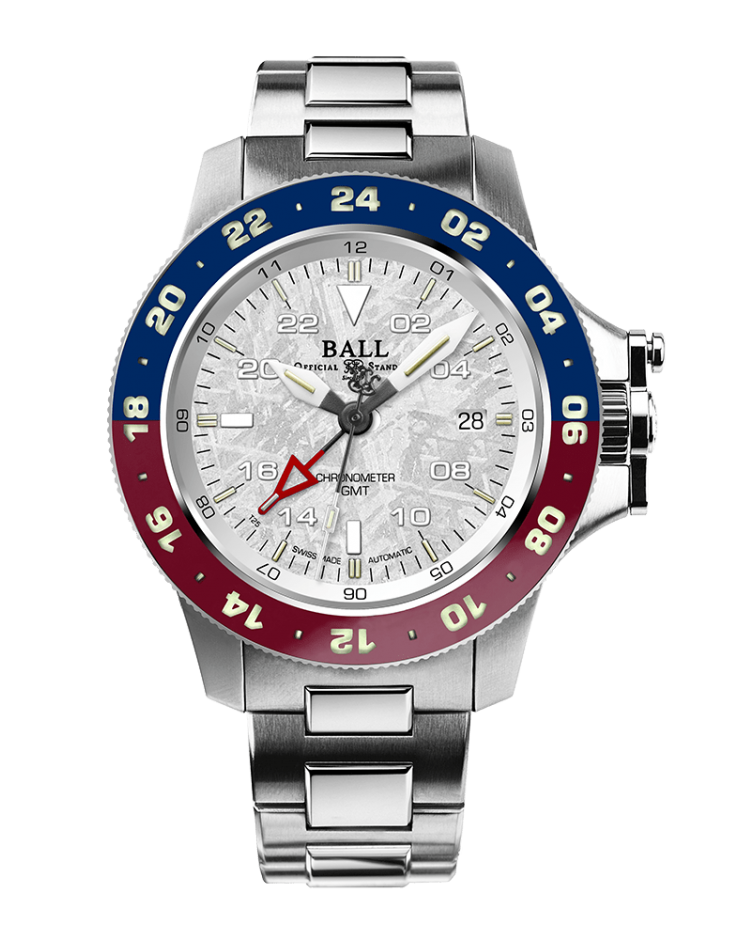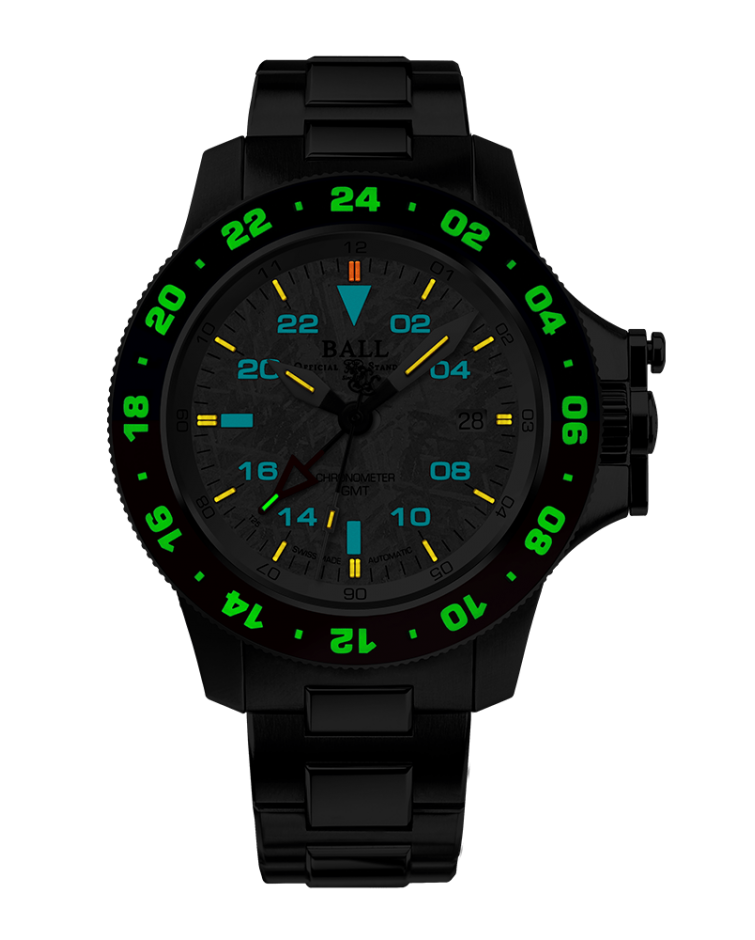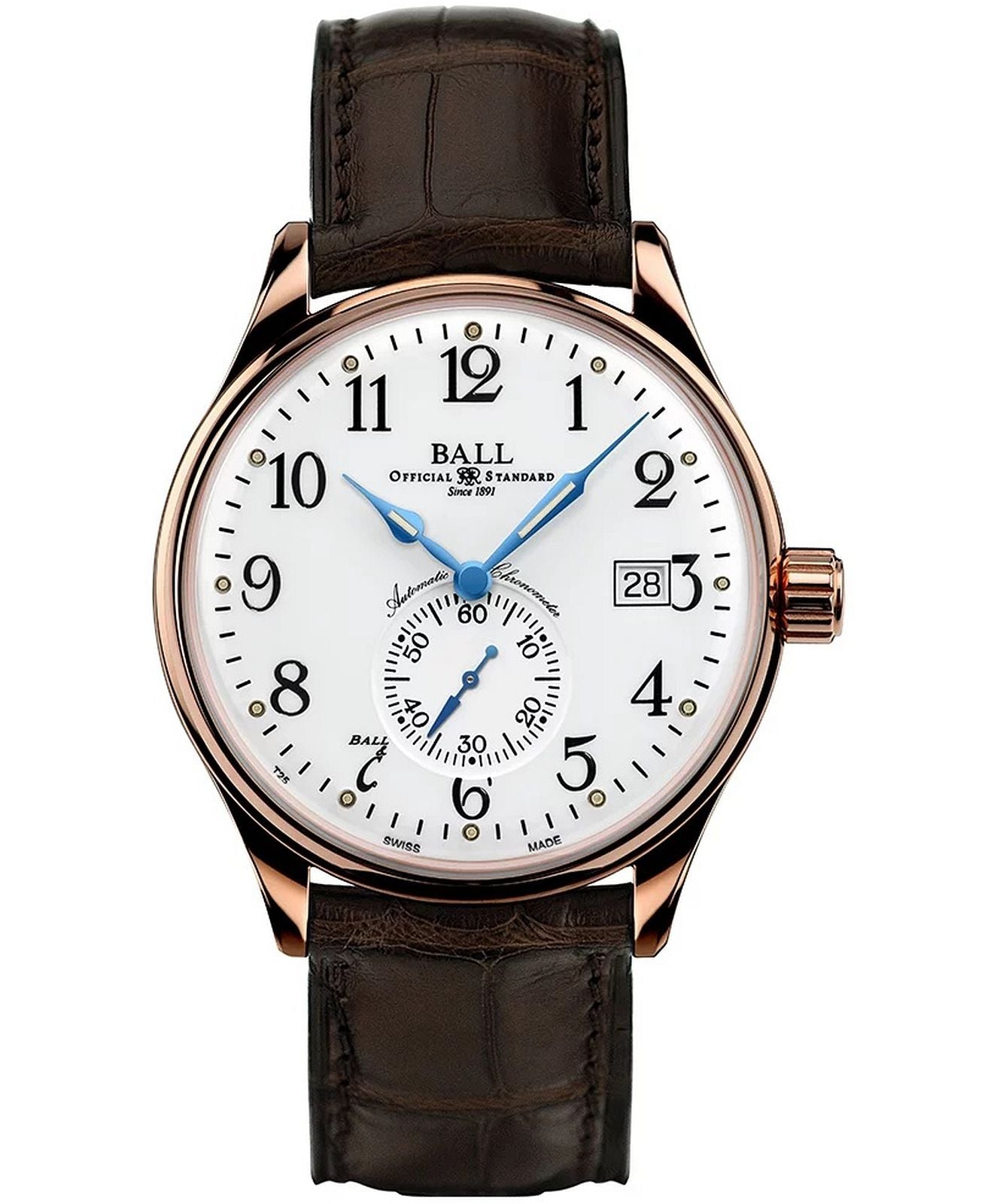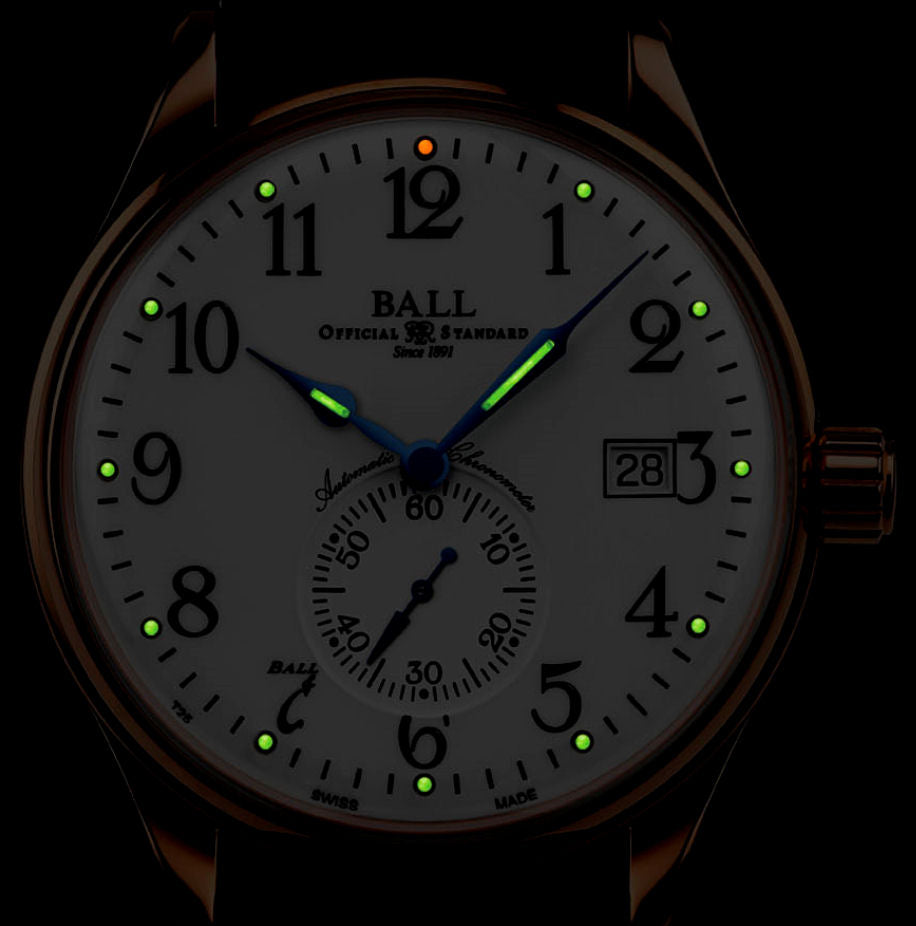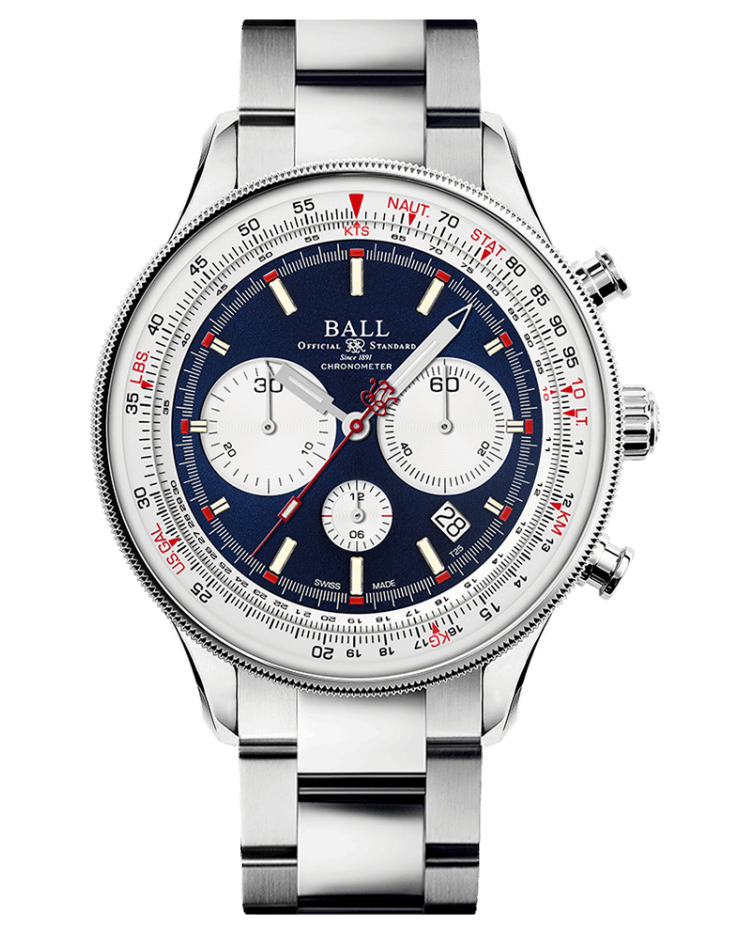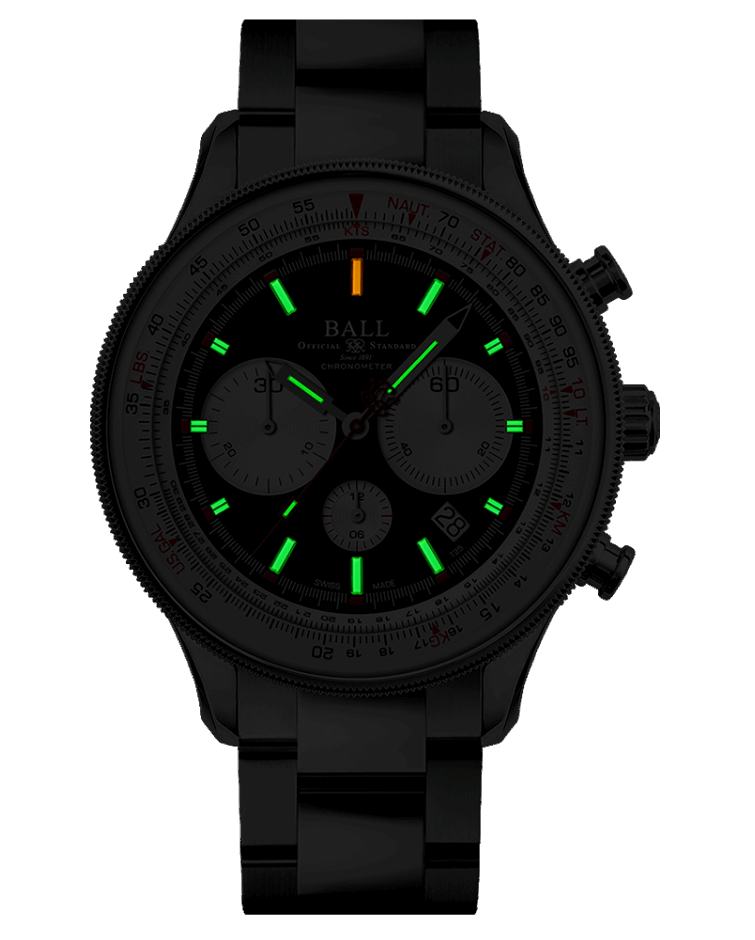
Look closely at every BALL timepiece and you’ll see two boldly emblazoned letters: RR. Railroad. This enduring heritage stretches back more than 125 years to the age of powerful locomotives, burgeoning freedom and the obsession of Webb C. Ball, whose watchmaking expertise and high standards of precision revolutionized watchmaking and timekeeping forever.
On April 18, 1891, the Great Kipton Train Wreck transpired about 40 miles west of Cleveland when a fast mail train heading east collided head-on with a passenger train moving west. The conductor of the passenger train failed to stop at the Kipton depot and let the mail train roll by – all because his watch had stopped functioning for four minutes before restarting. The Kipton accident is more than a footnote in American railroad history. It is a defining moment that spurred watchmaking and timekeeping revolutions. After the collision, renowned jeweler Webb C. Ball was appointed Chief Time Inspector to investigate the accident’s timekeeping issues. His work led to increased railroad watch performance and inspection standards.